For freelancers and agencies who write client copy
Never hire a copywriter again.
Copywriting OS installs 67+ years of copywriting greatness into the AI you already use, so it stops writing like a chatbot and starts writing like a copywriter.
£19.99Launch price + VAT
Launch price £19.99 + VAT · 14-day money-back guarantee · Instant download
Installs on
- ChatGPT
- Codex
- Claude
- Gemini
- Grok
A letter from MX Digital
Everybody is writing copy with AI now. Agencies use it, freelancers use it and, if we’re honest, so do plenty of the copywriters who charge premium fees for “handcrafted” work.
There’s nothing wrong with using AI. The problem is that almost nobody has given it a real copywriting system to work from, so it does what any AI does with a blank page: it reaches for the safest, most average words it knows.
You’ll have seen the results. There’s the homepage that promises to unlock your brand’s full potential, the email that wants to elevate your customer journey and the ad that calls a perfectly ordinary service seamless.
None of it is wrong, exactly. It’s grammatical, it’s confident and it’s completely forgettable, because it could have been written for any business in the market.
Here’s how it usually happens.
A client emails at ten to eleven at night and asks for the homepage to be “a bit punchier”. Whoever is writing their copy pastes the page into ChatGPT, types “make it punchier” and sends back whatever appears a few seconds later.
The client replies with a thumbs-up, the page goes live on Friday, and then nothing happens. Nobody complains about the copy, but nobody remembers it either, because it sounds like every other page their customers have already scrolled past.
That’s the quiet crisis in copywriting right now. The AI isn’t the villain, and neither is the person using it. What’s missing is the craft: everything the great copywriters learned about what makes a stranger stop, read, believe and buy.
We’re MX Digital, and we built Copywriting OS to put that craft back into the AI you already use. Before we show you how it works, here’s why so much copy has gone stale. It comes down to a cycle, and once you’ve seen it, you’ll notice it everywhere.
The cycle of bad copy
The cycle that keeps bad copy alive.
The cycle, step by step
A client needs copy by Friday.The brief goes into ChatGPT.Generic, lifeless copy comes back.It’s billed at premium rates.Readers ignore it, so sales stall.The next budget gets cut.
You can only break the cycle at step two, the moment the brief meets the AI.
Why it happens
Step two is where the damage is done. A blank AI has no idea who the reader is, what the client can prove or how the great copywriters would have handled the job. So it guesses, and its guess is nearly always the safest, most average answer.
That’s why so much AI copy sounds the same. The model has plenty of words; what it lacks is a method, the client’s facts and an editor who checks the work before anyone sees it.
Paying a copywriter doesn’t always fix it, either. Plenty of them now paste the same brief into the same chatbot you already pay for, tidy up what comes out and invoice for it at their usual rate. Some copywriters are brilliant, of course, but from the outside a client usually can’t tell which kind they’ve hired.
So clients pay more for copy that sells less, budgets shrink, and the next brief goes straight back into a blank chat. That’s the cycle. Nobody planned it, but somebody has to break it.
How it works
So we put the craft inside the AI.
Copywriting OS is a complete copywriting system that you install in the AI you already use, whether that’s ChatGPT, Claude, Gemini, Codex or Grok. It brings 67+ years of copywriting greatness with it, from the advertising pioneers to today’s funnel builders and offer makers, distilled into one method the AI follows on every job.
You keep the AI you already know, and it gains everything it was missing.
Once it’s installed, you brief it the way you’d brief a good copywriter, and it works the way a good copywriter works. Here’s what that looks like on a real job.
First, it gets to know your client properly.
You give it everything you have on the client: the website, the price list, the reviews, the old copy and your call notes. It asks a few short questions about anything that’s missing, then builds a Client File covering the brand, the audience, the offer, the evidence, the campaign brief, the approvals and the lessons learned.
Every fact in that file gets a status: confirmed, client-stated, unconfirmed or missing. Only confirmed and client-stated facts make it into the copy, so the client’s wishful thinking waits until somebody is willing to stand behind it.
Your client’s lawyer will like this bit.
Then you ask for the job in plain English.
You might ask for a welcome email, a sales page, a VSL script or a whole campaign for the spring offer. There’s no prompt to engineer and no template to fill in, because the system already knows how a professional would approach each format.
Behind the scenes, it works out who’s reading and what they already believe, chooses the structure that fits and writes the finished copy. Ask for a campaign and one brief turns into the ads, the landing page and the emails, all selling the same offer.
Then it checks its own work before you see it.
It reads the draft cold, the way your client’s customer will, and strips out the phrases that make readers think a chatbot wrote it. It checks every claim against the client’s file and against advertising rules in the UK, the EU and the US. Where your AI allows it, a second agent then reads the whole thing with fresh eyes before it’s handed over.
It will even tell you, politely, when the real problem is the offer rather than the words. No amount of clever copy can save a weak offer, and the system is built to say so.
And it remembers what the client liked.
When the client’s feedback arrives, you paste it in. It makes the changes they asked for, leaves alone what they liked, and records their approvals and lessons in the Client File, so the next job starts where the last one finished.
Where it comes from
67+ years of copywriting greatness in one system.
- years of copywriting greatness
- 67+
- format playbooks
- 24
- niche playbooks
- 10
- reference files
- 74
1880s to 1900s
Salesmanship in print
Advertising became salesmanship on paper, with real reasons to buy argued the way a good salesperson would argue them.
1920s and 30s
Scientific advertising
Hopkins, Caples and Collier showed that specific facts beat adjectives, that headlines should be tested and that a letter should open on what’s already on the reader’s mind.
1950s and 60s
The big idea
Reeves, Ogilvy and Schwartz added the unique selling proposition, the research-led big idea and the rule that copy can’t create desire, only channel it.
1970s to 2000s
Direct mail’s golden age
Halbert, Sugarman and Kennedy showed that the offer matters more than the prose, that every claim needs its proof and that each line should pull the reader into the next.
2000s and 2010s
Online direct response
Brunson and Walker took the craft online with funnels, launches and story-led selling.
2020s
The offer and the rules
Hormozi rebuilt the offer around value, and new consumer law in the UK and EU banned fake reviews and false “limited time” claims outright.
These are influences, not endorsements. None of the people named on this page is affiliated with, or endorses, Copywriting OS or MX Digital.
The greats
The minds behind the method.
Here are the people behind those ideas: the copywriters, entrepreneurs and researchers whose published work shaped Copywriting OS. Some of them wrote their classics generations ago, and some of them are building nine-figure businesses online right now.
If you’ve learned from any of them, you’ll recognise their thinking in the way the system works. You’ll find their best-known books on the shelf below.
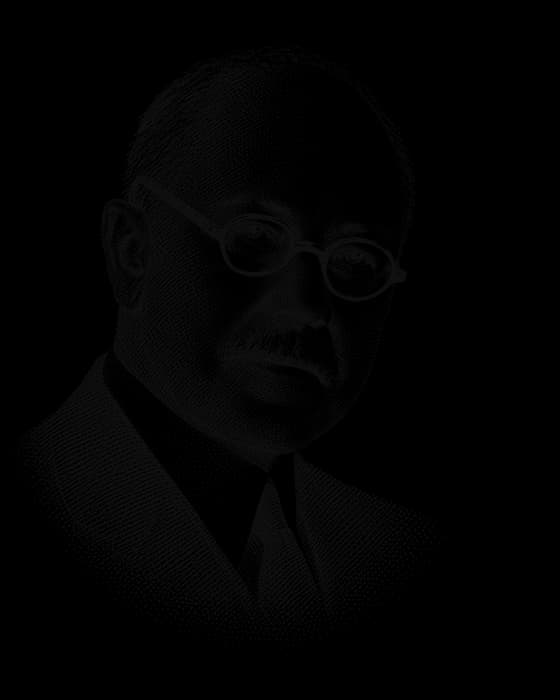
Claude Hopkins1900s to 1920sReason-why copy, specific claims and testing every adBook Scientific Advertising 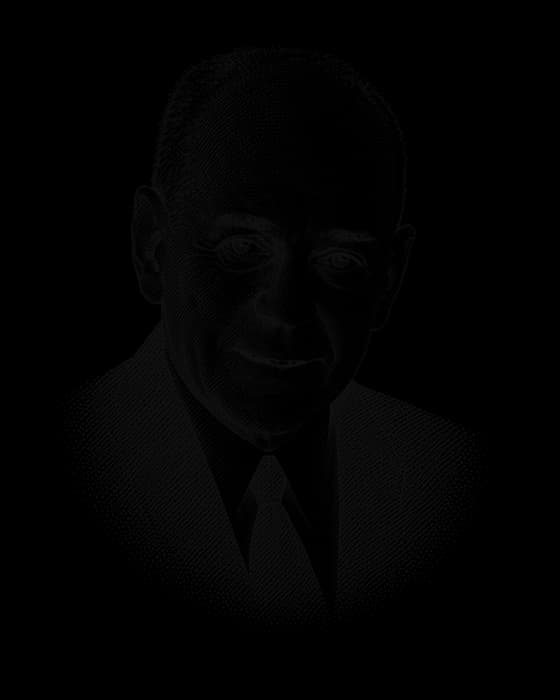
John Caples1920s to 1970sHeadlines that were tested, not guessedBook Tested Advertising Methods 
Robert Collier1920s and 30sJoining the conversation already in the reader’s headBook The Robert Collier Letter Book 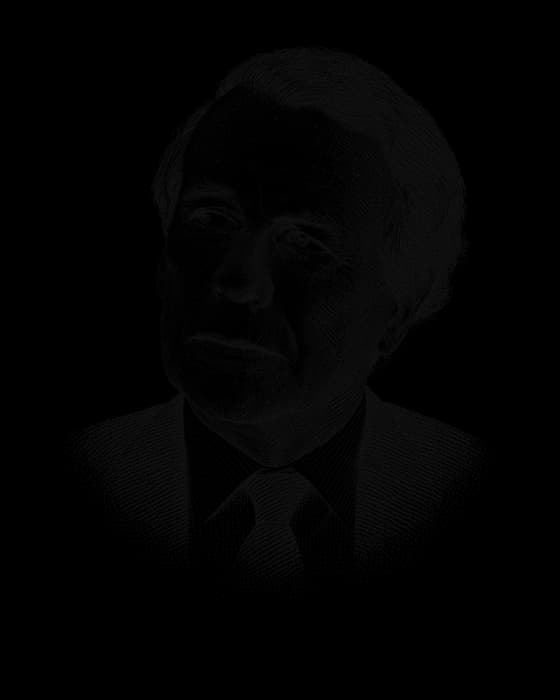
David Ogilvy1940s to 1980sResearch, the big idea and respect for the readerBook Ogilvy on Advertising 
Rosser Reeves1950s and 60sThe unique selling propositionBook Reality in Advertising 
Eugene Schwartz1950s to 1990sReader awareness and market sophisticationBook Breakthrough Advertising 
Gary Halbert1970s to 2000sThe starving crowd, and the offer before the proseBook The Boron Letters 
Joe Sugarman1970s to 2000sThe slippery slide that keeps people readingBook Advertising Secrets of the Written Word 
Daniel Kahneman1970s to 2020sHow people really judge and decideBook Thinking, Fast and Slow 
Robert Cialdini1980s onwardsThe principles of influence, used honestlyBook Influence 
Bob Bly1980s onwardsClear, specific copy, especially for B2BBook The Copywriter’s Handbook 
Jay Abraham1980s onwardsRisk reversal and the strategy of preeminenceBook Getting Everything You Can Out of All You’ve Got 
Dan Kennedy1990s onwardsMessage, market and media, and admitting a weakness to earn trustBook The Ultimate Sales Letter 
Michael Masterson1990s onwardsSix ways to open a sales letter, matched to the reader’s awarenessBook Great Leads (with John Forde) 
Jeff Walker1990s onwardsThe product launchBook Launch 
Russell Brunson2000s onwardsFunnels, the value ladder and story-led sellingBook DotCom Secrets 
April Dunford2010s onwardsPositioning that makes the value obviousBook Obviously Awesome 
Sabri Suby2010s onwardsOffers for buyers who aren’t ready yetBook Sell Like Crazy 
Alex Hormozi2010s onwardsGrand Slam Offers and the value equationBook $100M Offers
The bookshelf
The books behind the system.
These are the books on our shelf, with the one lesson we took from each. The books themselves aren’t in the download, but their principles are, written into the system in our own words.
Read all 37 lessons as a list
Copy
Scientific Advertising
Claude Hopkins, 1923
Specific facts sell where general claims slide off, so every claim should be specific enough to check.
The Robert Collier Letter Book
Robert Collier, 1931
Start with what the reader is already thinking about, and bring in the product only once they recognise their own situation.
Tested Advertising Methods
John Caples, 1932
The headline decides whether anything else gets read, so test the appeal before you polish the words.
Reality in Advertising
Rosser Reeves, 1961
Every ad should make one clear proposition that the competition can’t or doesn’t make.
Breakthrough Advertising
Eugene Schwartz, 1966
Copy can’t create desire, so start where the reader’s awareness already is and channel what they want.
Ogilvy on Advertising
David Ogilvy, 1983
Without a big idea an ad passes unnoticed, so dig one out of the product’s own facts.
The Boron Letters
Gary Halbert, 1984
A hungry market and a strong offer matter more than clever prose.
The Copywriter’s Handbook
Robert W. Bly, 1985
Business buyers want information, so give them specific facts and a clear next step.
The Ultimate Sales Letter
Dan Kennedy, 1990
Get the message, the market and the medium right, because a mismatch in any one sinks the other two.
Advertising Secrets of the Written Word
Joseph Sugarman, 1998
Every line has one job, which is to get the next line read.
Great Leads
Michael Masterson and John Forde, 2011
Match the opening to how aware and sceptical the reader is, and build each piece around one big idea.
Storyworthy
Matthew Dicks, 2018
Tell stories as scenes the reader can see, built around one moment of change.
Ca$hvertising
Drew Eric Whitman, 2008
Find the basic desire a benefit really serves, such as safety, comfort, status or care for loved ones, and say it in the reader’s terms.
Offers
Getting Everything You Can Out of All You’ve Got
Jay Abraham, 2000
Take the risk off the buyer’s shoulders, and more people will say yes.
Launch
Jeff Walker, 2014
Build desire with genuinely useful content before the cart ever opens.
DotCom Secrets
Russell Brunson, 2015
Lead buyers up a value ladder, from a small first purchase to your best offer, instead of asking for everything at once.
Expert Secrets
Russell Brunson, 2017
Let the reader reach the big realisation through your story, rather than telling them what to think.
Sell Like Crazy
Sabri Suby, 2019
Most people in a market aren’t ready to buy today, so give them something genuinely useful first.
Obviously Awesome
April Dunford, 2019
Position the product against the real alternatives, including doing nothing, so its value becomes obvious.
$100M Offers
Alex Hormozi, 2021
Make an offer more valuable by making the result bigger, more likely, faster and easier, not by shouting louder.
$100M Leads
Alex Hormozi, 2023
Leads come from warm outreach, free content, cold outreach and paid ads, and the best lead magnet solves one narrow problem completely.
Psychology
Made to Stick
Chip Heath and Dan Heath, 2007
Experts forget what it’s like not to know, so use concrete examples and bring every statistic down to human scale.
Thinking, Fast and Slow
Daniel Kahneman, 2011
People remember the peak and the end of an experience most, so finish every page and sequence on a high.
Pre-Suasion
Robert Cialdini, 2016
What the reader sees just before the ask shapes how they judge it, so put the proof before the price.
Tiny Habits
BJ Fogg, 2019
Action happens when motivation, ability and a prompt meet, so make the first step tiny.
The Catalyst
Jonah Berger, 2020
Pushing harder makes people push back, so remove the barriers to change instead.
Influence, New and Expanded
Robert Cialdini, 2021
Point out the real signals that something is worth having, and never fake them.
Nudge: The Final Edition
Richard H. Thaler and Cass R. Sunstein, 2021
Make the right choice the easy one, and never use the same tricks to steer people against their own interests.
How to Win Friends and Influence People
Dale Carnegie, 1936
People act for their own reasons, not yours, so every line should answer what the reader wants.
SPIN Selling
Neil Rackham, 1988
Big decisions are won by helping buyers see what a problem really costs them, not by pushing for the close.
Pitch Anything
Oren Klaff, 2011
Open a pitch with why the moment matters, keep it short, and never sound needy.
The Challenger Sale
Matthew Dixon and Brent Adamson, 2011
Teach buyers something new about their own business that leads back to what you do best.
To Sell Is Human
Daniel H. Pink, 2012
See the situation from the buyer’s side, then give them one clear, specific way to act.
Contagious
Jonah Berger, 2013
People pass on what makes them look good and what’s genuinely useful, so give them a line worth repeating.
Hooked
Nir Eyal with Ryan Hoover, 2013
A habit forms when a small, easy action reliably answers a feeling, so make the first step tiny and the payoff real.
Never Split the Difference
Chris Voss with Tahl Raz, 2016
Say what the other person feels, and what they suspect, before you make your case.
Alchemy
Rory Sutherland, 2019
When you can’t change the product, change how it’s seen, as long as the new view is true.
These books are influences, not endorsements. None of their authors is affiliated with, or endorses, Copywriting OS or MX Digital, and the books themselves aren’t part of the download.
What it writes
One system for every kind of copy.
Give it any offer, B2B or B2C, and it brings the same depth of craft to every format, from a full sales funnel to a two-line ad.
Sales pages
Long-form letters that take a cold reader all the way to the buy button.
Sales funnels
Every step from the opt-in to the upsell, all selling one offer.
VSL scripts
Video sales letters written scene by scene, with the offer where it belongs.
Video and UGC scripts
Short scripts for ads, reels and creators, built to stop the scroll.
Landing pages
One page, one offer and one action, matched to the ad that sent the reader.
Websites
Homepages and service pages that say what you do and who it’s for.
Ad copy
Meta, TikTok, YouTube, Google and LinkedIn ads with genuinely different angles.
Email marketing
Welcome sequences, launches, abandoned carts and win-backs.
Daily emails
Story-led broadcasts that build a relationship and carry an offer.
Direct response
Copy built to get one measurable action, from a sign-up to a sale.
B2B copy
Case studies, white papers and pages for buyers who answer to a committee.
B2C and e-commerce
Product pages and offers that answer the questions shoppers actually ask.
Cold email and DMs
Short, specific outreach that earns replies without sounding like a template.
Webinars and launches
Registration pages, scripts and launch sequences built around real deadlines.
Brand and taglines
Names, taglines and brand messaging that no competitor could claim.
PR and fundraising
Press releases and appeals that put the facts and the people first.
What’s inside
Everything a great copywriter carries in their head.
Here’s what’s in the box, whichever AI you install it on. One thing you won’t find is a single template to fill in.
The method
Eight ways to work: Write now, Ask first, Plan together, Critique, Rewrite, Campaign, Revise and Set up. One process sits behind all of them: understand, diagnose, plan, write, check and deliver.
The Client File
Each client’s brand, audience, offer, evidence, campaign brief, approvals and learnings, kept separately so nothing crosses over. Only confirmed or client-stated facts reach the copy.
Campaign mode
One brief becomes a message map, three ad concepts, a landing page and five emails selling one offer, followed by a claims review that lists every factual claim and its status.
Revise mode
Paste in the client’s feedback and get targeted changes, the revised copy in full and a change log showing what changed, why, and which comment it answers.
24 format playbooks
Sales pages, VSL scripts, landing pages, websites, product pages, email sequences, newsletters, cold email, SMS, Meta, TikTok, YouTube, Google and LinkedIn ads, UGC scripts, B2B, PR and fundraising.
10 niche playbooks
E-commerce, SaaS, local services and clinics, agencies, coaching and courses, health and supplements, finance and trading, luxury and property, hospitality and events, and charities.
The checks
A cold read, a scorecard, a proof audit against the client’s file, a scrub for chatbot tells and a compliance pass for the UK, EU and US, followed by a fresh-eyes review by a second agent where your AI allows it.
Install guides and a first job
Step-by-step set-up for each app, a two-minute self-check that confirms it has loaded, and a sample client to practise on before you use it for real.
Installing it
It works in the AI you already use.
We walk you through exactly how to install it on any AI you use: ChatGPT, Codex, Claude, Gemini or Grok. Most installs take three to five minutes, and a two-minute self-check confirms it has loaded.
Steps for ChatGPT
ChatGPT
- Create a new project for one client.
- Paste bootloader.md into its instructions.
- Upload the nine files from knowledge/.
- Add your client’s Client File.
- Send the self-check in a project chat.
Copywriting OS
Copywriting OS loaded. Which client are we writing for?
If the self-check reply names Copywriting OS 1.0.0, you’re ready for a real client. If it doesn’t, the guide shows you what to fix, and you can always email us if you’re still stuck.
Read this before you buy
Copywriting OS isn’t for everyone.
It’s for you if
- You build websites, run ads or run an agency, and the copy keeps landing on your desk.
- You write copy for clients and you’re tired of rewriting the chatbot’s first draft from scratch.
- You already pay for ChatGPT, Claude, Gemini, Codex or Grok, and you want it to earn its keep.
- You want every claim in your copy to trace back to something the client actually told you.
It’s not for you if
- You want it to invent testimonials, results or deadlines. It won’t, however nicely you ask.
- You won’t give it the client’s facts. It can only write from what you give it.
- You want to hand the job off completely. You’ll still brief it and approve what goes out.
- You’re hoping great copy will rescue a weak offer. Copy can’t do that, including ours.
The offer
Here’s everything you get.
What you get
- Copywriting OS 1.0 in all three editions: the Skill (Claude, Codex, Gemini), the Claude Project kit and the portable kit for ChatGPT and Grok
- Step-by-step install guides for ChatGPT, Codex, Claude, Gemini and Grok, plus a two-minute self-check
- The Client File system and a sample client for your first job
- 24 format playbooks, 10 niche playbooks and UK, EU and US compliance checks
- A one-person licence that covers client work
- Every v1 update, free
- Instant download
£19.99Launch price + VAT
One-off payment of £19.99 plus VAT, or sales tax where it applies. Checkout adds it and shows the full total before you pay. 14-day money-back guarantee. No subscription. Your AI plan isn’t included. One-person licence: client work is fine; sharing or reselling the system isn’t. Checkout, receipts and tax are handled by Stripe.
Built to perform, and backed for 14 days.
Copywriting OS costs £19.99 plus VAT, and you only pay it once. We’d like you to put it to work on a real client before you decide whether it’s worth it.
If it doesn’t earn its keep, email maarij@mxdigital.app within 14 days of buying and you’ll get a full refund. You don’t have to explain yourself, although we’d love to know what didn’t work. When the refund goes through, the licence ends and you delete the files.
Money isn’t the only thing you risk, though.
There’s the evening you might lose setting it up, and the worry that it won’t work in the AI you use. There’s also the client you’d rather not test it on. That’s why we kept the install to a few minutes, added a self-check that confirms it has loaded before you trust it with anyone, and put a sample client in the box for you to practise on first.
Which AIs does it work with, and on which plans?
It works with five: ChatGPT, Claude, Gemini, Grok and Codex. In ChatGPT you set up a Project for each client, which needs Go, Plus or higher. In Claude you can add it as a Skill on any plan, Free included, use Projects on Pro and up, or run it in Claude Code. In Gemini it’s a Skill on a personal Google account, in Grok it’s a Project for each client, and in Codex it’s a skill that comes with ChatGPT Plus or higher. So far, we’ve verified it in Claude Code, and the install and self-check have passed in Codex; for the rest, our install steps are based on each platform’s own help pages. Outside Claude, a different model does the writing, which can change both the style and how closely it keeps to the rules. Menus move, so the install guide has the current steps.
Does it really work in Grok and Codex?
It installs in both. In Codex it loads as a skill folder, and the install and self-check passed in our own test. In Grok it goes into a Project as instructions plus knowledge files, the same way it does in ChatGPT, and that one hasn’t been through our own tests yet. Either way, run the self-check before your first client job. If it won’t load, you’re covered by the 14-day refund.
Do I need a paid AI plan?
Not always. Claude’s Skills work on every plan, Free included, once code execution is on. Gemini’s Skills need a personal Google account, not a subscription. ChatGPT needs Go or higher to hold all the files in a Project, Codex comes with ChatGPT Plus or higher, and Grok needs a plan that includes Projects. Whichever you use, your AI subscription isn’t included in the price.
Can I use it for client work?
That’s exactly what it’s for. You can write for your own business or for clients, including paying ones, and deliver the copy as your own. We claim no rights in the copy and you don’t have to credit us. What you can’t do is share or resell the system itself.
Can my team use it?
Not on one licence. Each licence covers one named person, on any devices and AI accounts they use. Team licences are planned, but until then it’s one licence per person.
Do I get updates?
Yes. Every 1.x update is free, and version 2 will be a separate product.
What if it isn’t for me?
Email us within 14 days of buying and you’ll get a full refund. When the refund goes through, the licence ends and you delete the files.
Will it write in languages other than English?
Yes. Ask for the language you want and it writes straight in that language, adapting the idea rather than translating word for word. The library itself is in English, so have a native speaker read anything you’re putting ad money behind. The compliance notes cover the UK, the EU and the US.
Isn’t this just a pack of prompts?
It’s text, yes, but so is every copywriting book ever printed. A prompt pack hands you templates to fill in. Copywriting OS is an operating manual the AI follows on every job (diagnose, plan, write and check) plus a 74-file reference library it draws on when a job needs it. You don’t paste in a prompt for each job; you simply ask for the copy.
I’m not technical. Will I manage the install?
If you can upload a file to a chat app, you’ll manage. In Claude and Gemini you upload one zip file, and in ChatGPT and Grok you paste one set of instructions and upload a handful of files. Codex means unzipping a folder, and if you already use Codex, you’ve done that before.
Isn’t this just ChatGPT copy again?
It’s a fair question, because it runs on the same models. What changes is what the model is given and what it’s held to: a copywriter’s method, your client’s facts with a status on each, and checks before anything reaches you. It also refuses things a blank chat will happily do, like inventing a testimonial, a result or a deadline.
Will it get my clients more sales?
We can’t promise that, and we’d be wary of anyone who does. Results depend on the offer, the market and the person using it. Copywriting OS is built to bring in sales, because it writes from proven frameworks and keeps every claim honest. But copy can’t rescue a weak offer, and you still review and approve everything before it goes out.
Is VAT included in the price?
No. The launch price is £19.99 plus VAT. Stripe sells Copywriting OS to you as merchant of record, works out any VAT or sales tax for where you are and adds it at checkout, so you see the full total before you pay. In the UK, that’s £23.99 with VAT.
How do I get it after I pay?
Straight after checkout. Your downloads appear as soon as Stripe confirms the payment, and a link arrives by email too. If you lose it, the “Find my download” page will send you a fresh one.
In short
Here’s where that leaves you. The next time a client emails late at night asking for something “a bit punchier”, you can paste their note into an AI that already knows the client, the reader and what you’re allowed to claim.
It will make the changes they asked for and check them before you send anything back. Then you can close the laptop and get some sleep.
Or you can keep pasting briefs into a blank chat and hoping for the best. That’s entirely up to you, but we know which one we’d choose.
P.S.If you skipped straight to the end, here’s the short version. Copywriting OS installs 67+ years of copywriting greatness into the AI you already use, it costs £19.99 plus VAT, and you have 14 days to get your money back.
P.P.S.Yes, we know “never hire a copywriter again” is a bold headline. We wrote it because the system does the parts of the job a good copywriter does: the research, the strategy, the writing and the checking.
P.P.P.S.Reading this late at night with a client waiting? Most installs take three to five minutes, so it can be ready before their next email arrives.